
Bio-Inspired Locomotion
How animal movement patterns drive the next generation of robot design and control systems.
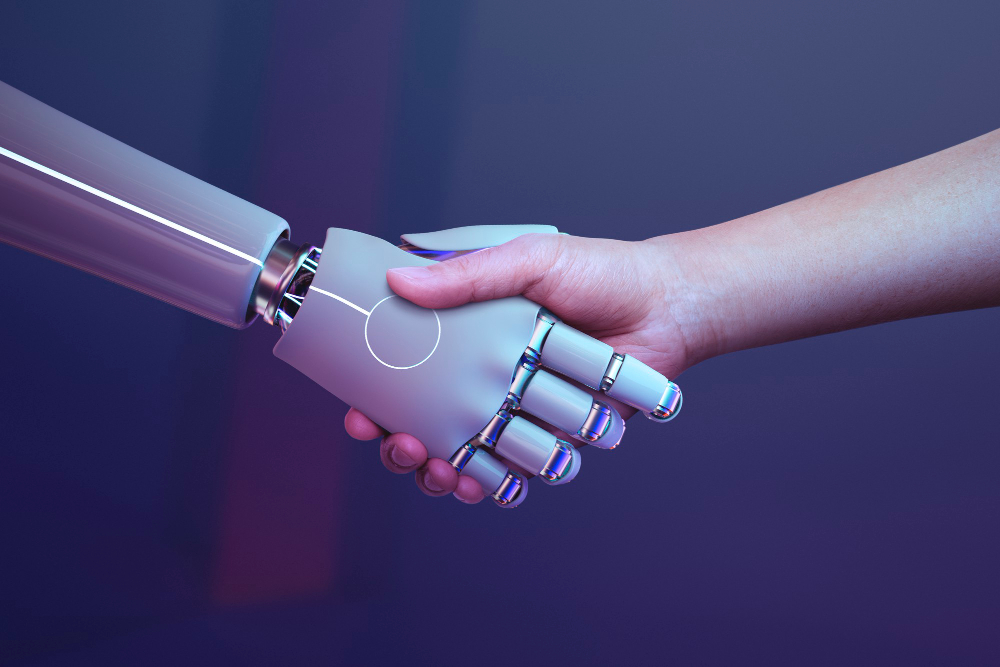
From bio-inspired walking machines to autonomous underwater vehicles, we explore the science and engineering behind robotic locomotion.
Explore ResearchIn-depth guides on the technologies shaping how machines navigate the physical world.
How animal movement patterns drive the next generation of robot design and control systems.
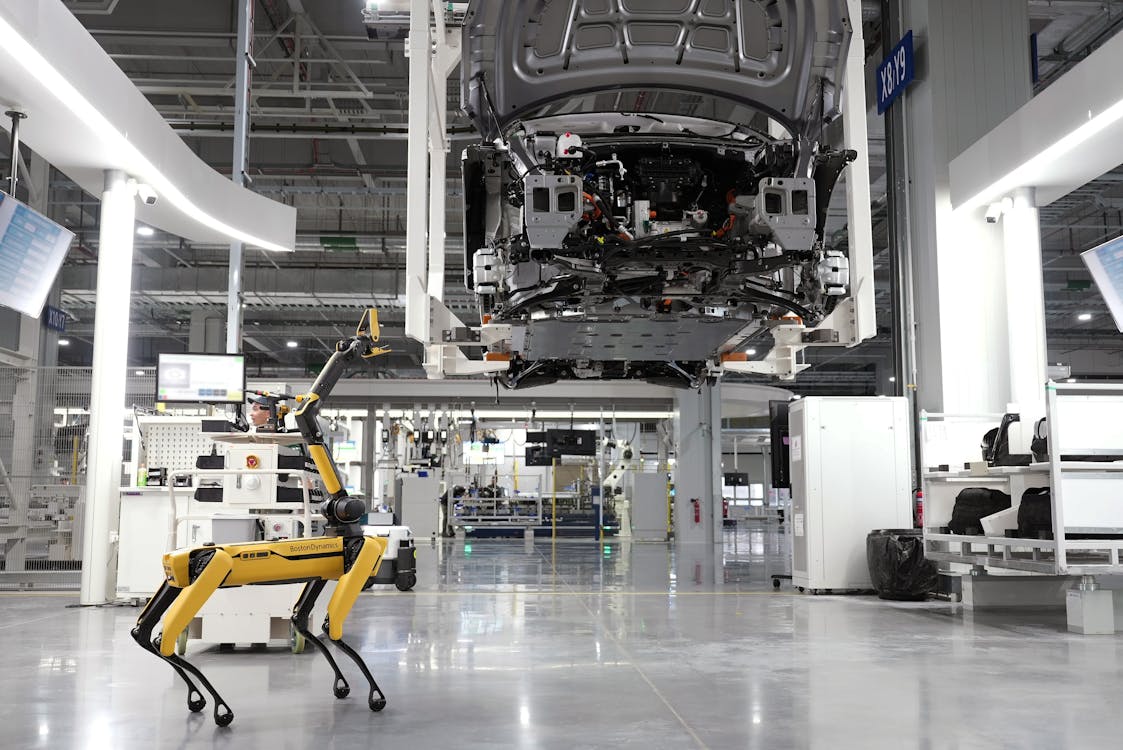
Bipedal walkers, quadrupeds, and hexapods tackling terrain that wheels cannot handle.

Compliant materials and flexible actuators reshaping robotic manipulation and movement.
Autonomous vehicles and bio-mimetic swimmers exploring the deep ocean frontier.
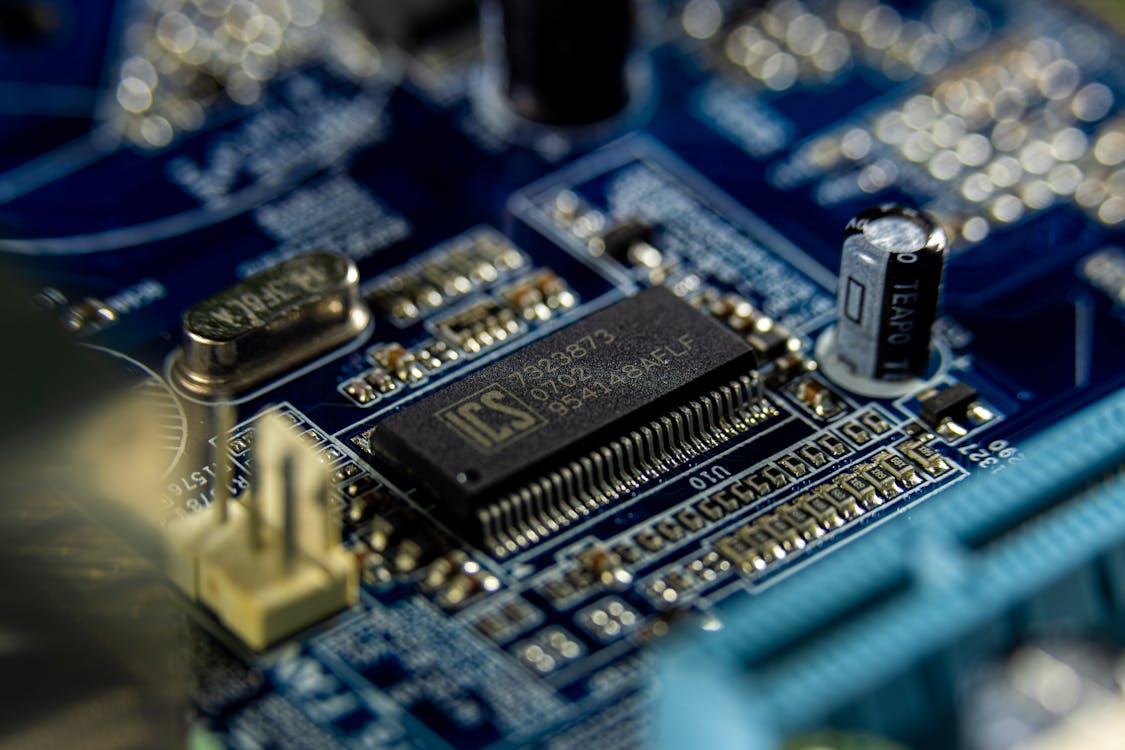
Visual perception systems enabling robots to understand and navigate their environments.
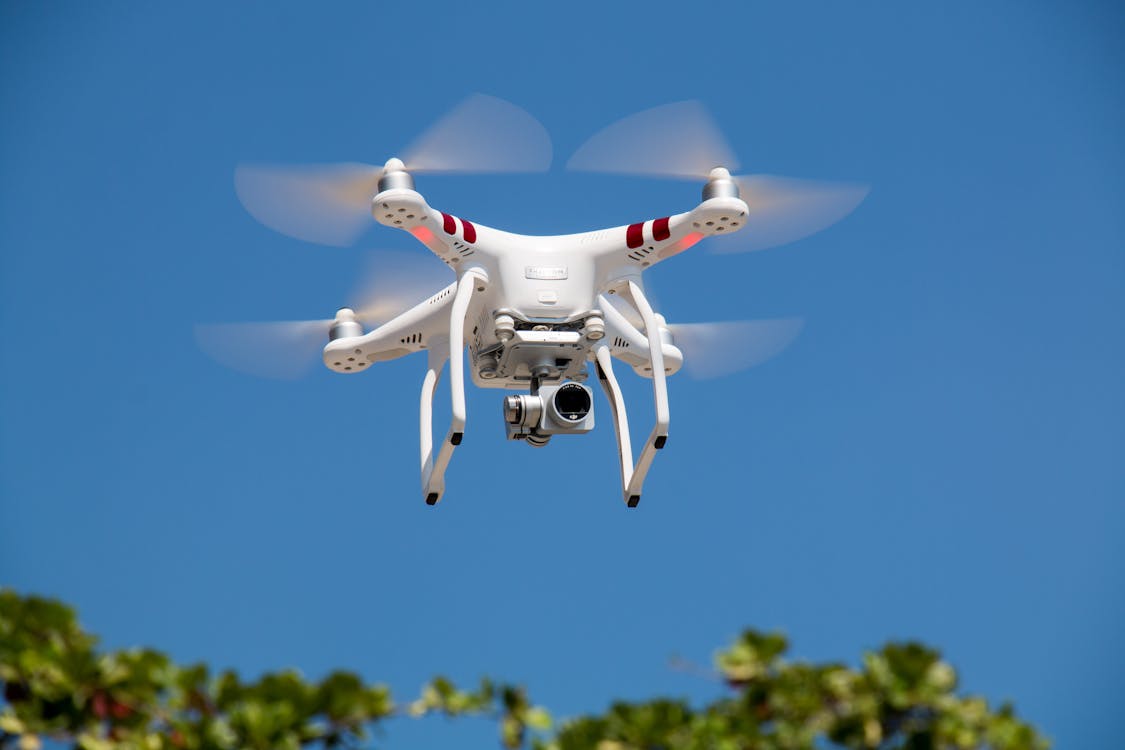
Swarm intelligence, autonomous navigation, and multi-rotor flight dynamics.
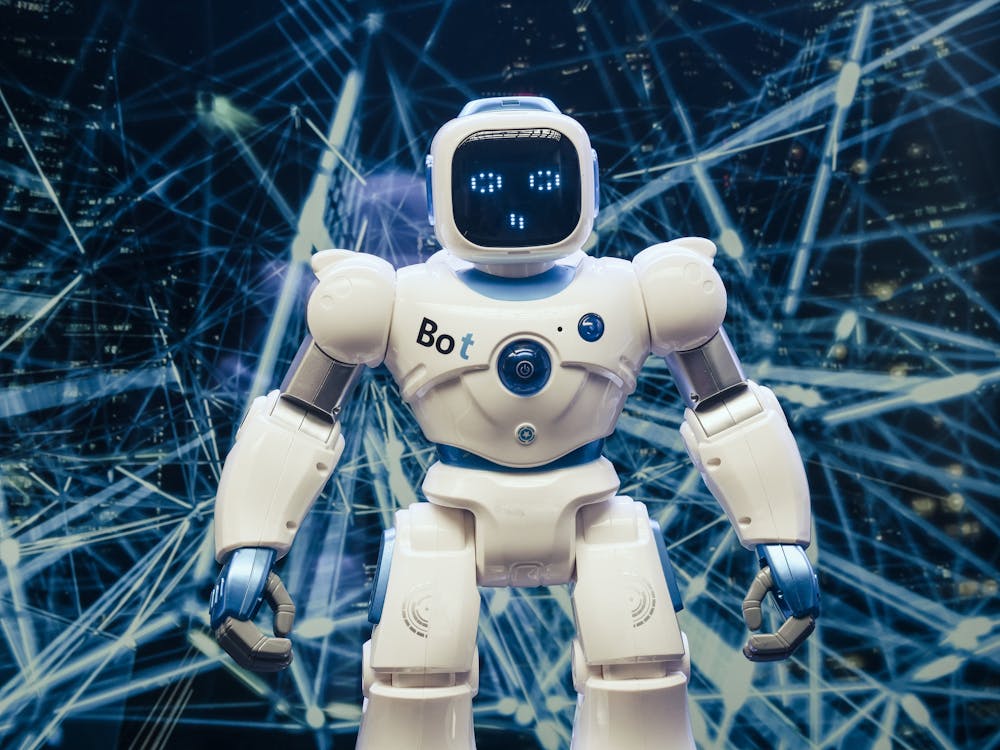
Full-body bipedal systems built to operate in human environments and workspaces.
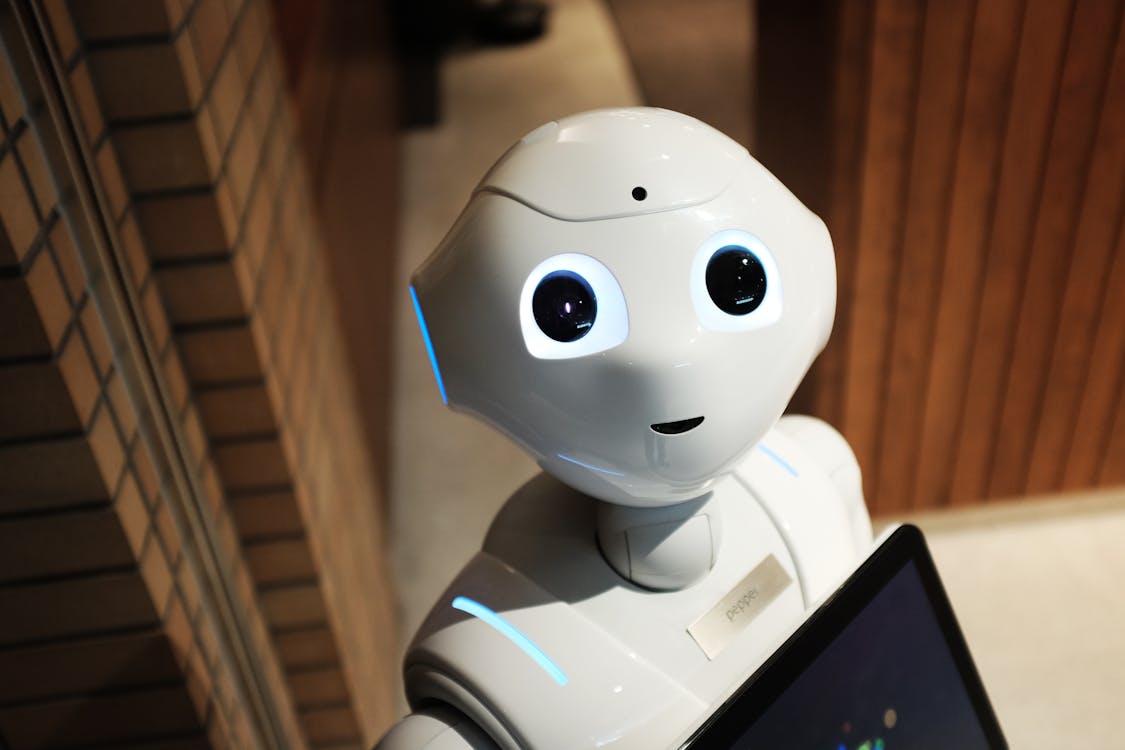
Training robots through trial and error to master complex movement tasks.
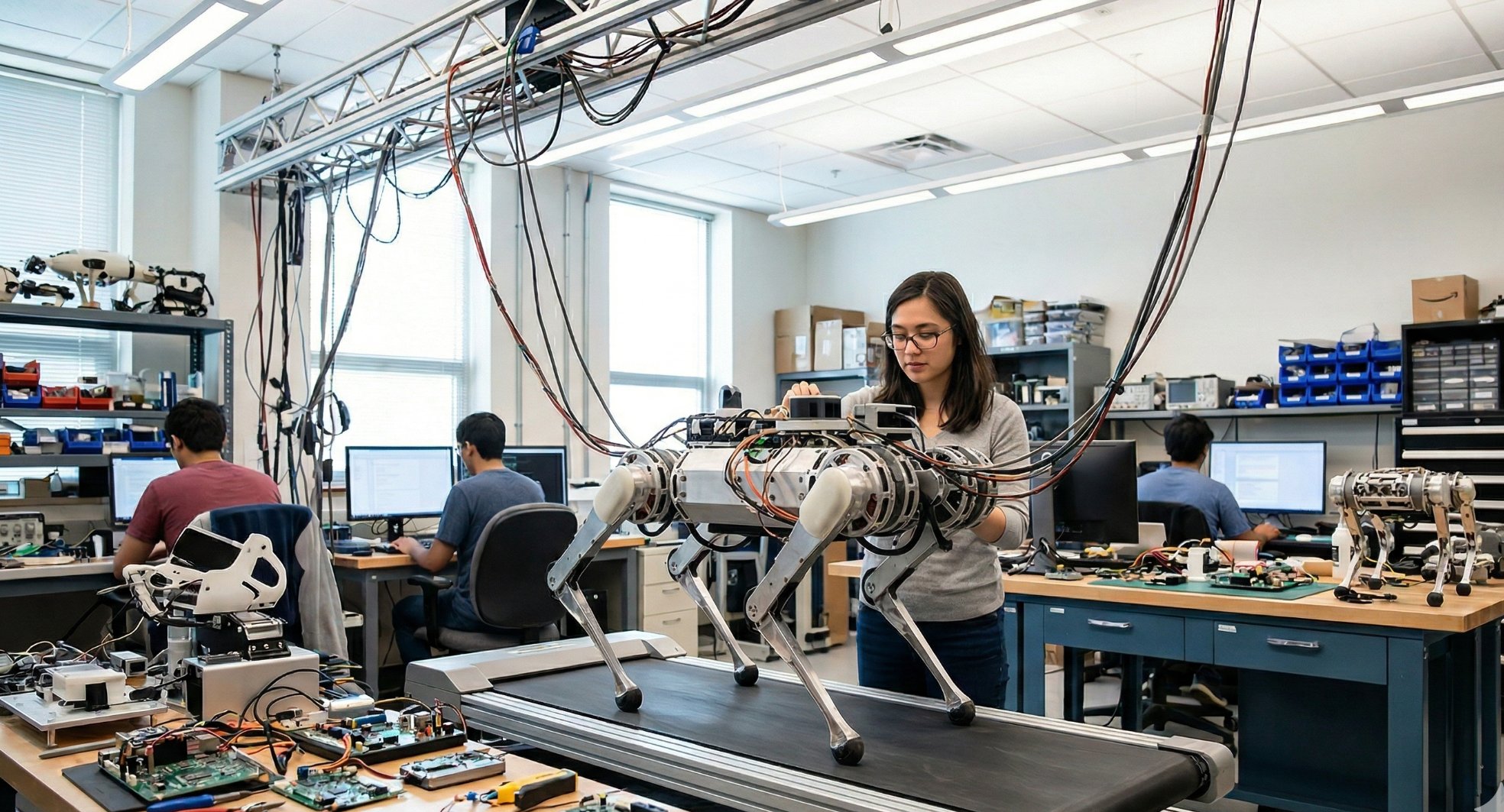
Locomorph is a knowledge hub dedicated to the science of robotic movement. We cover the full spectrum of locomotion research, from bio-inspired designs that mimic animal gaits to machine learning approaches that let robots teach themselves to walk, swim, and fly.
Our mission is to make advanced robotics research accessible to engineers, students, and anyone fascinated by how machines learn to move.
Learn More